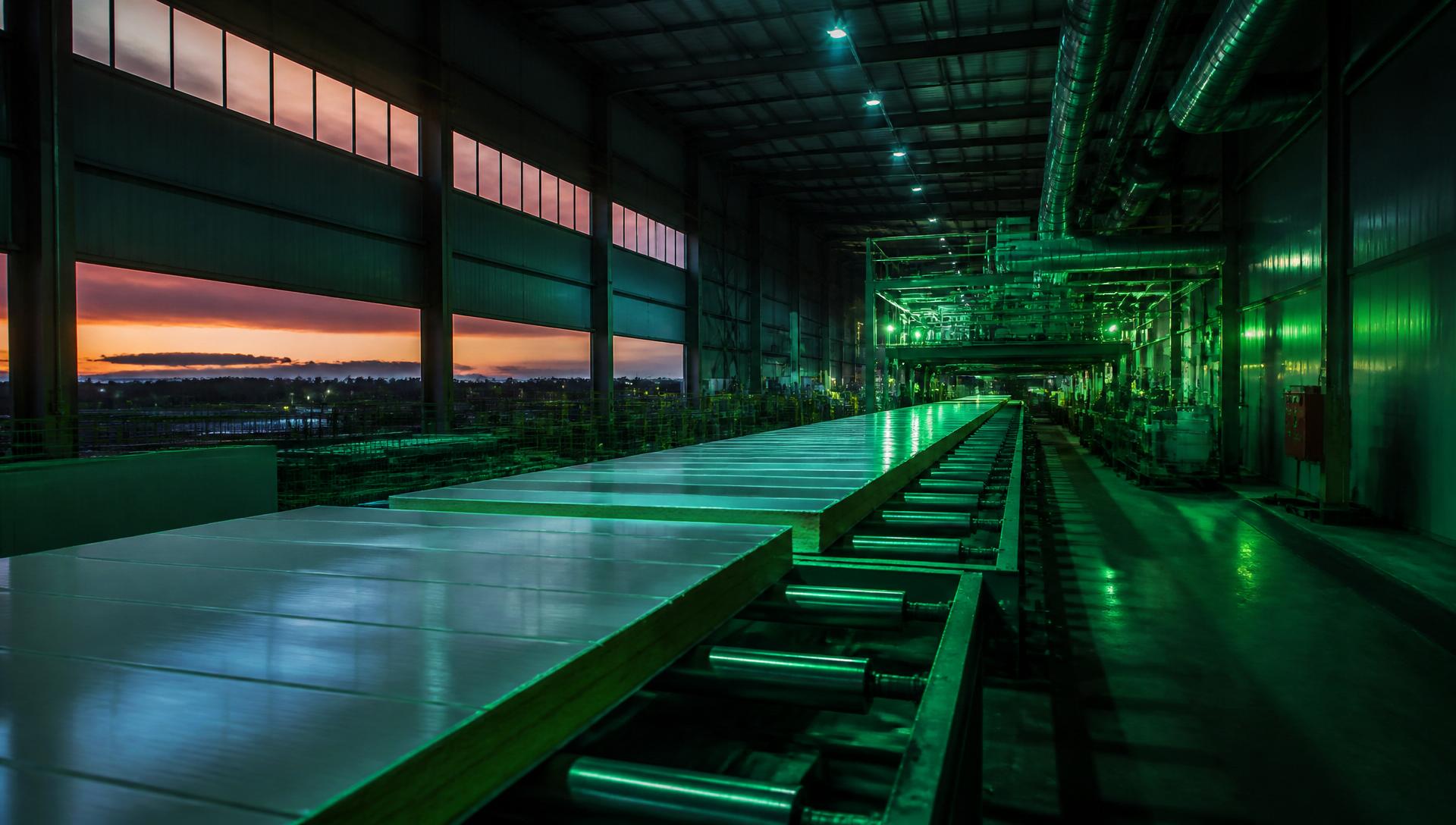
Knowledge Hub — the industry's reference
Technical articles, engineering guides, courses, videos and FAQs on sandwich panels, factory development and production technology — written by NEVO engineers for investors, engineers, architects and factory owners.
14 knowledge sections
From beginner foundations to expert-level factory financial modeling — organized by discipline.
Technical articles & engineering guides
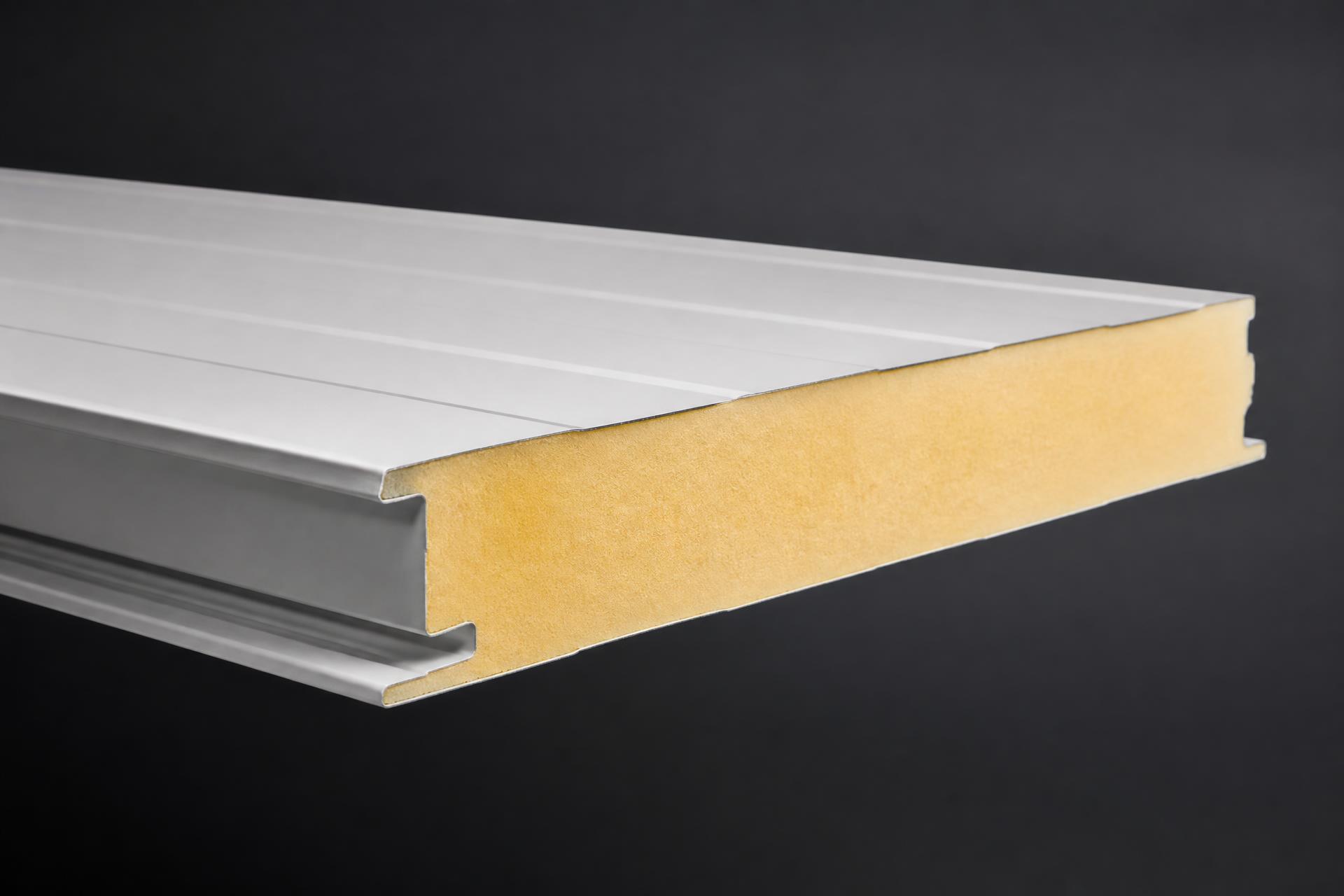 PIRFeatured
PIR vs Rock Wool — the complete engineering comparison
Thermal, fire, mechanical and TCO comparison across 11 criteria with test data.
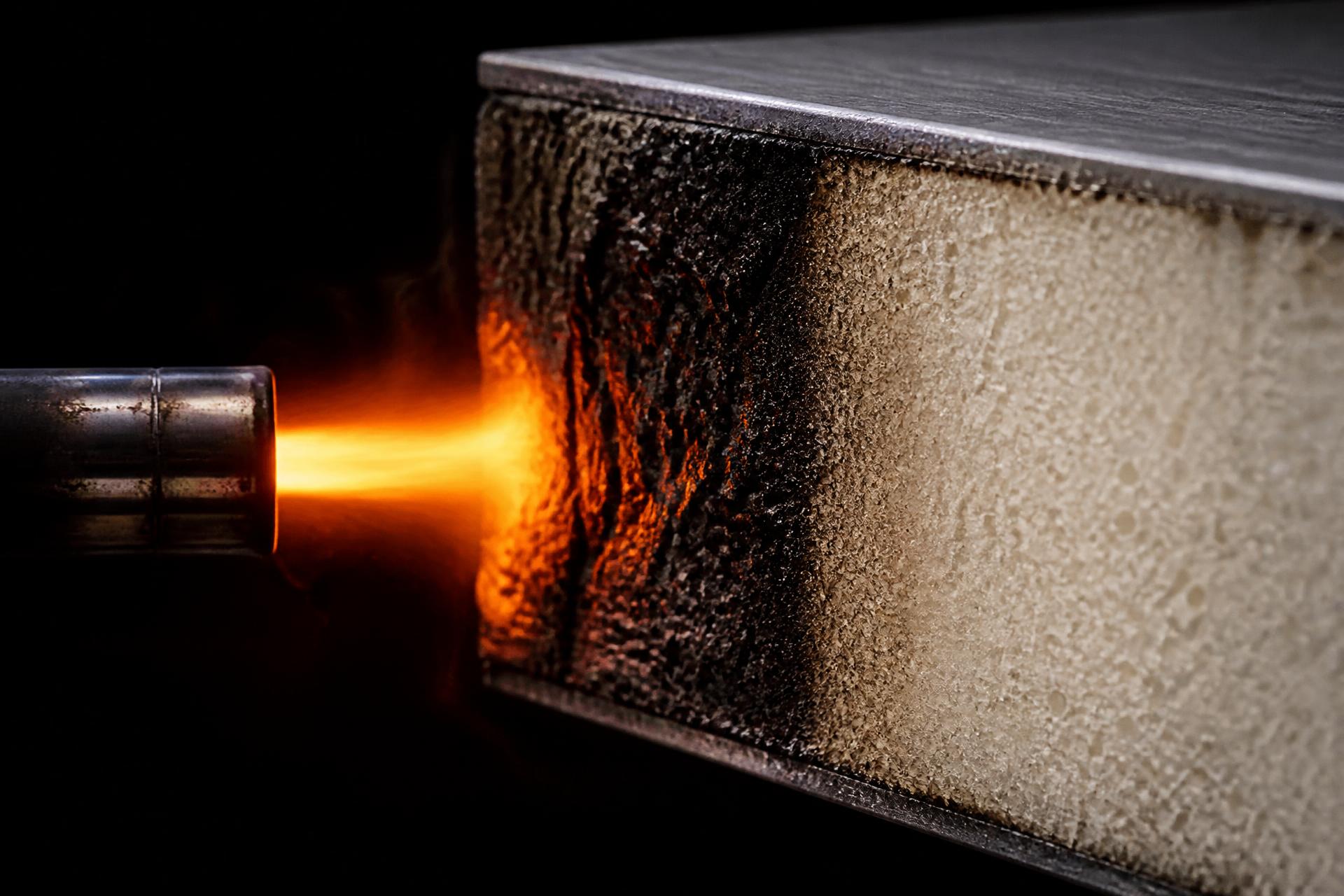 ThermalFeatured
How to size panel thickness for any climate
A step-by-step method using U-value targets, degree days and hygrothermal safety.
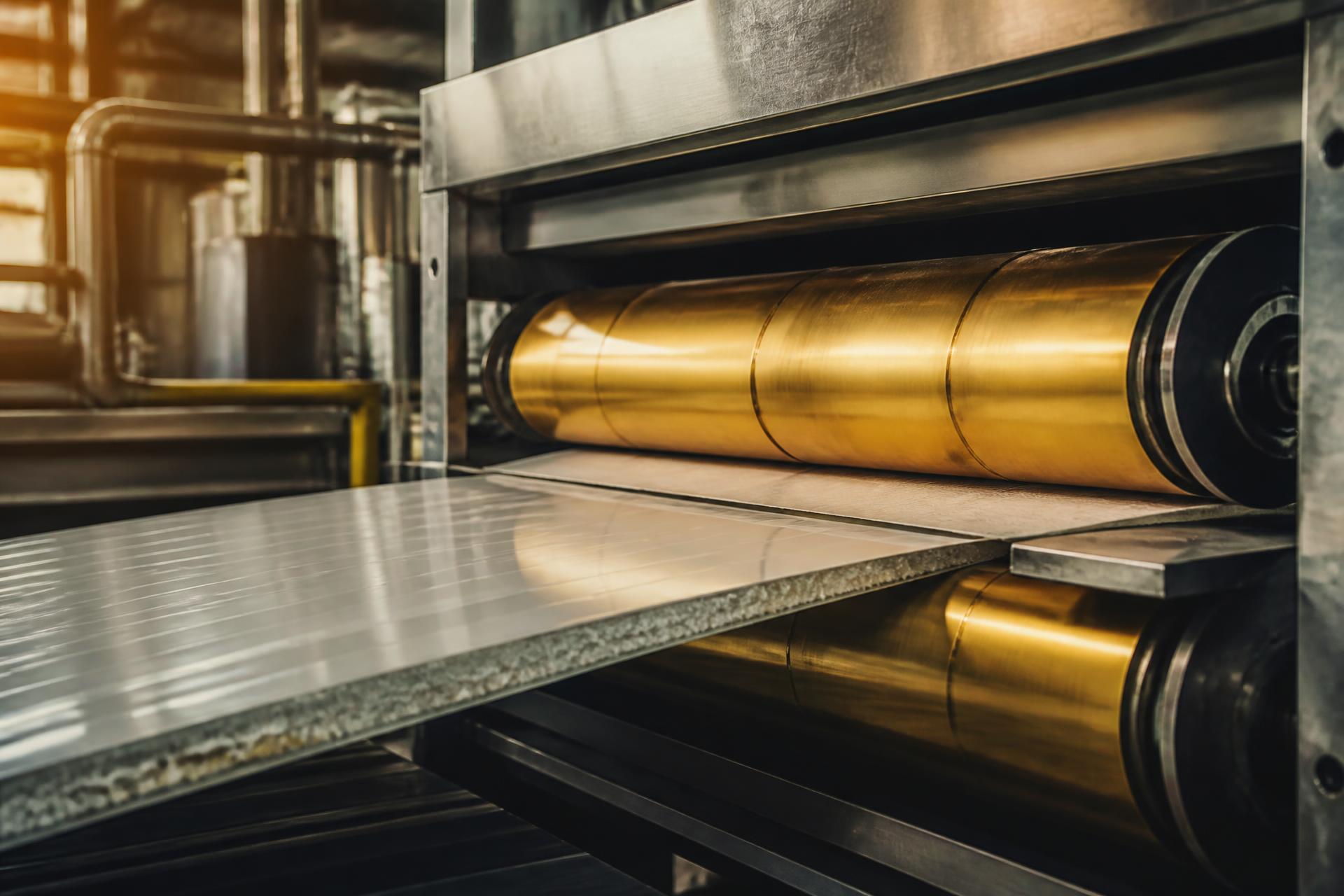 Production LinesFeatured
Continuous sandwich panel line — 101
How a continuous PIR line works: coil, roll-forming, chemical mixing, laminator, saw.
 Factory DesignFeatured
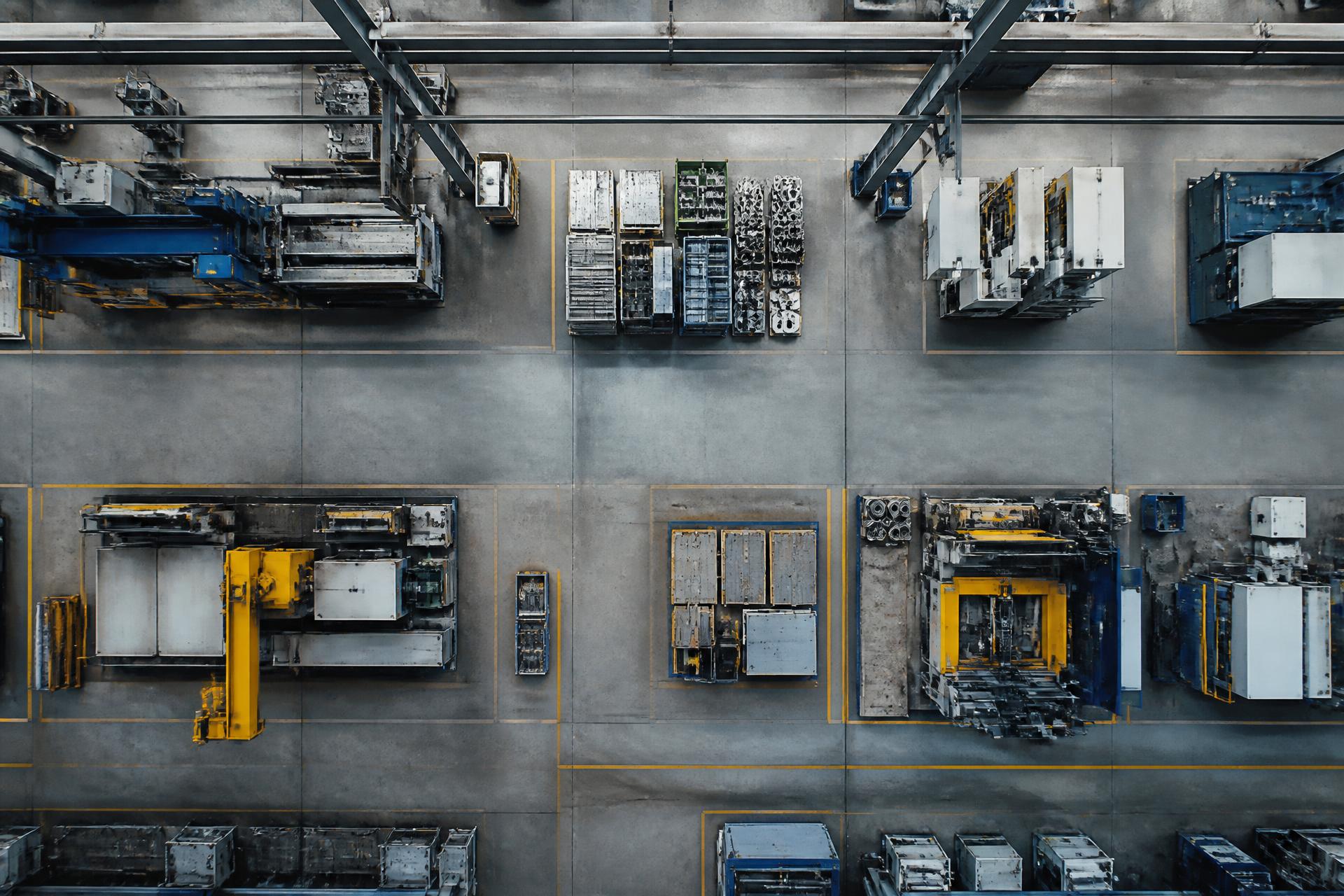
Sandwich panel factory layout — the master template
Optimal building shape, line orientation, warehouse and utilities placement.
 Cold Rooms
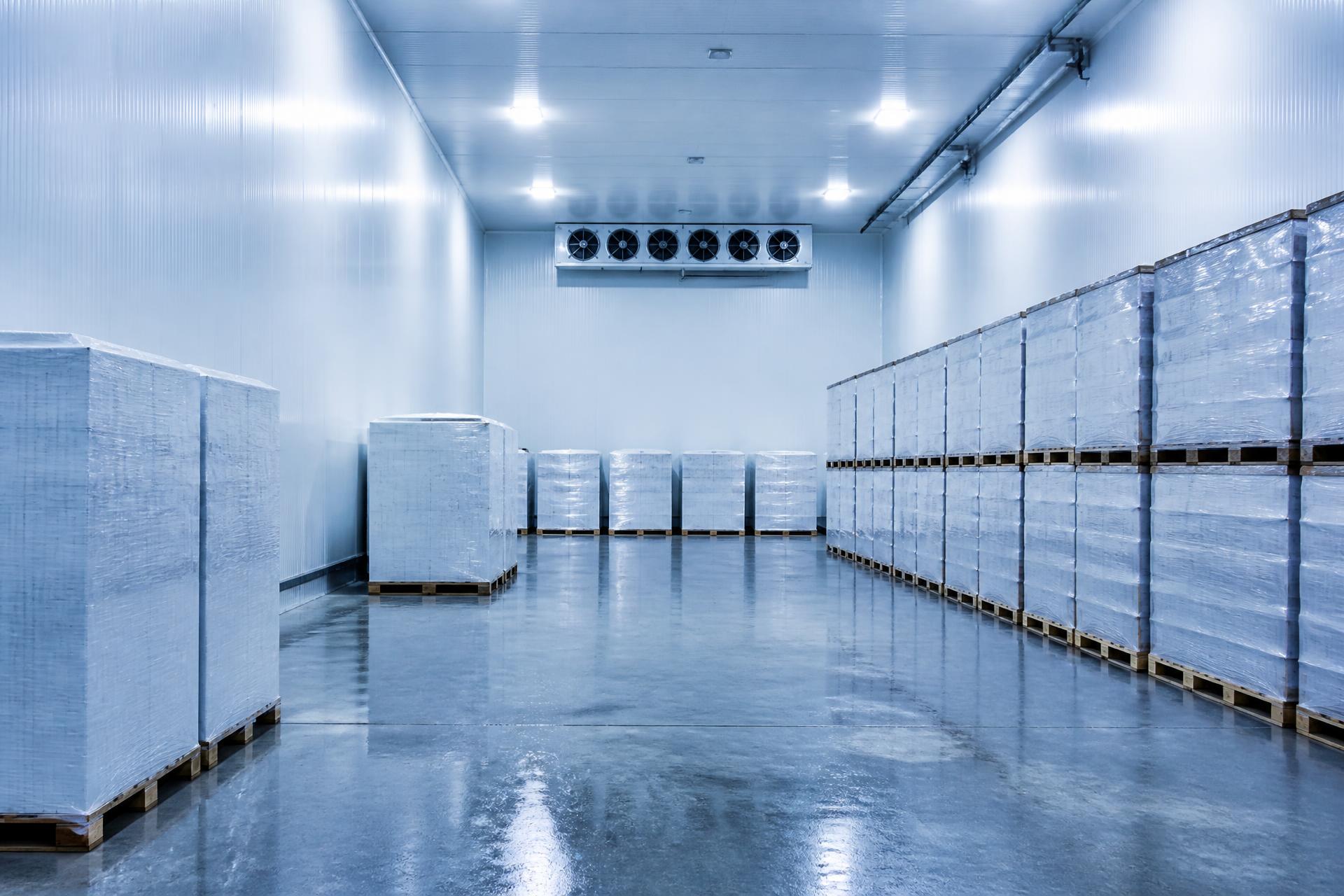
Cold room panel design for −25 °C freezers
Thickness, vapor barriers, cam-locks, floor buildup and door engineering.
 Clean Rooms
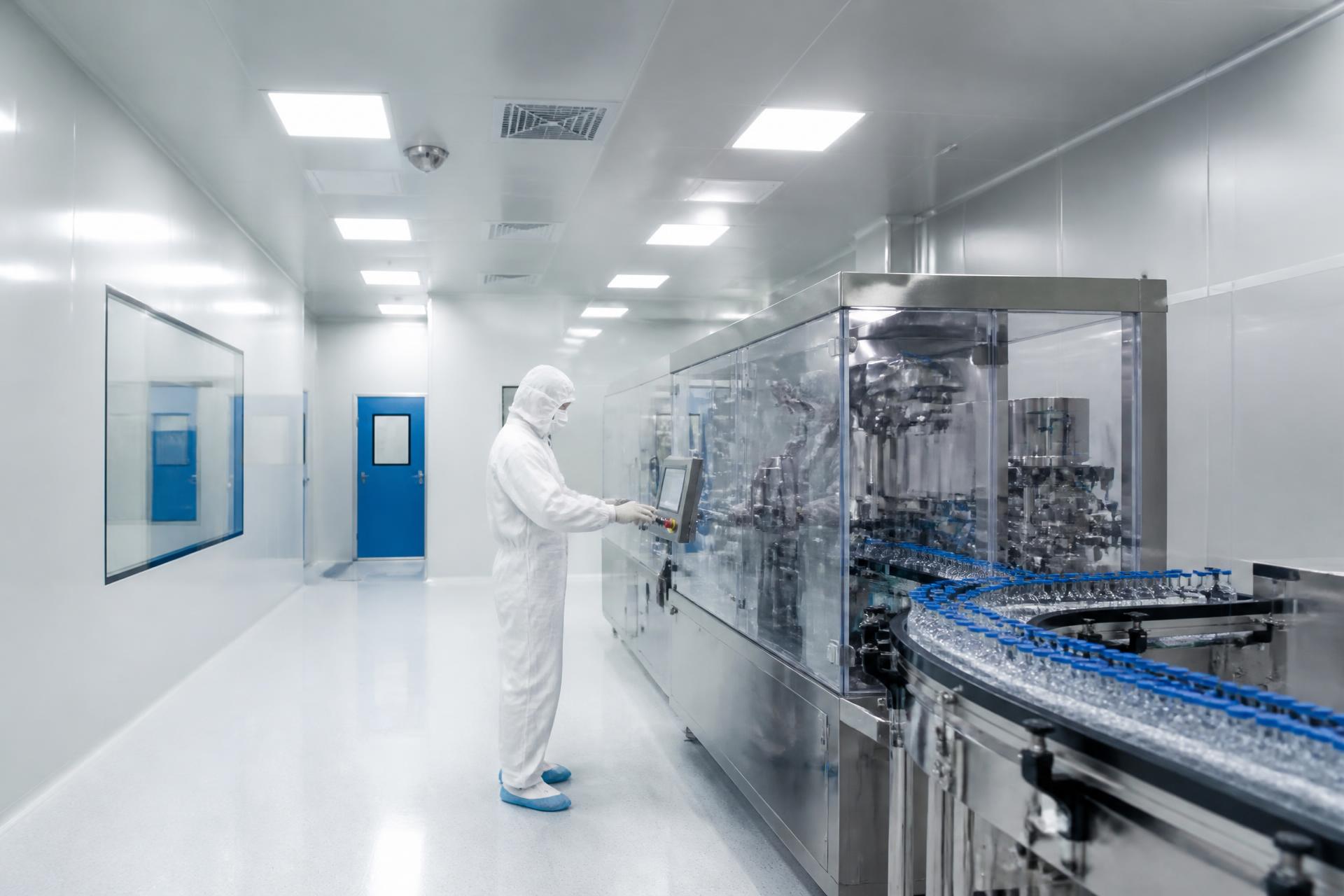
GMP clean rooms — the panel selection guide
Choosing flush panels, HPL finishes and coving for pharma-grade cleanrooms.
FireFire performance explained — EN 13501-1
Reading fire classifications A2-s1,d0 vs B-s1,d0 and what they mean on site.
 Project Management
The factory investment model, decoded
CAPEX line items, OPEX per m², IRR, NPV and phased expansion economics.
 Chemicals
PIR chemistry — polyol and MDI in production
Formulation, mixing, safety and how chemistry drives foam quality.
 Rock Wool
Rock wool lamella — orientation, density, quality
Why lamella orientation matters for fire, shear and thermal performance.
 Thermal
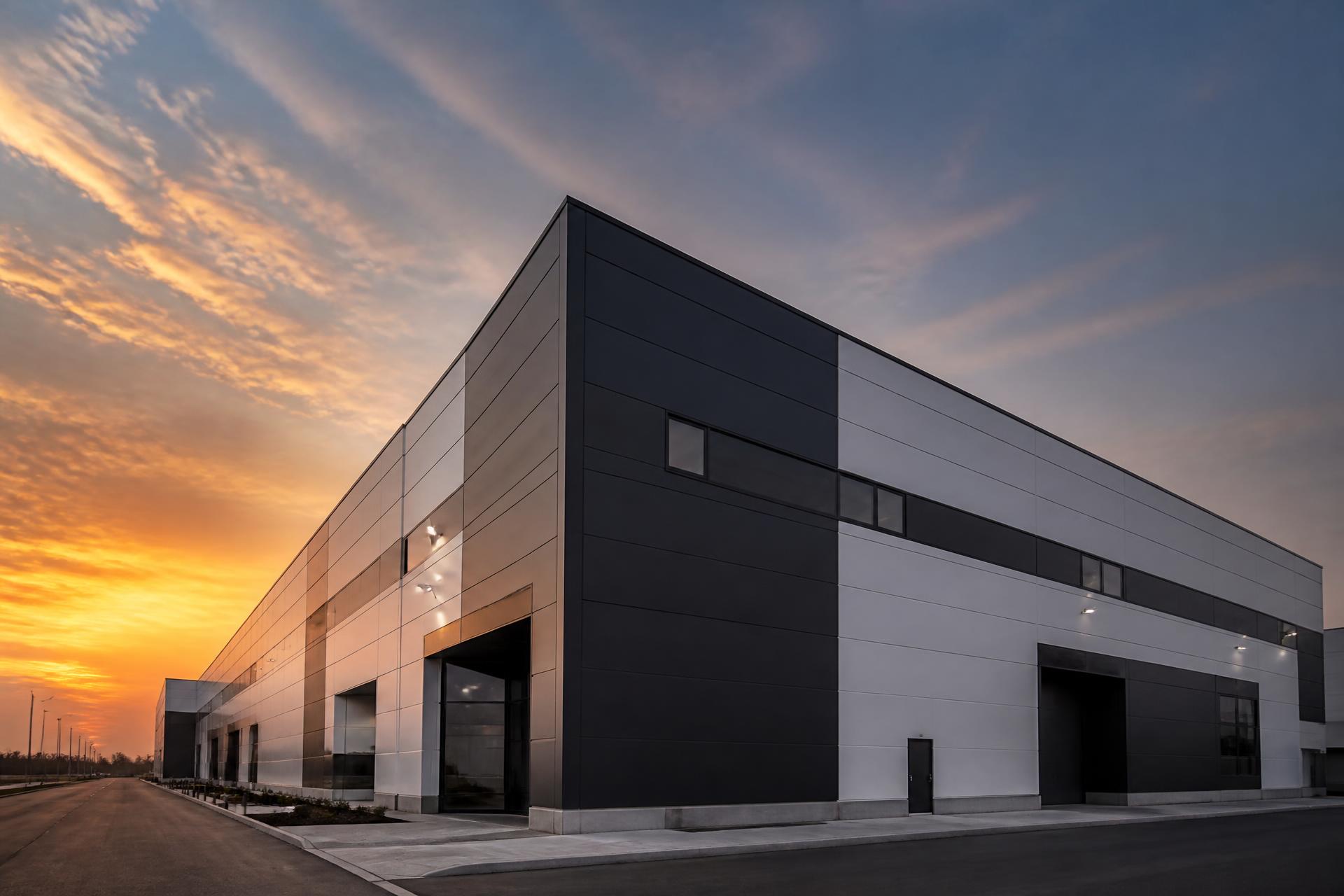
Panel selection for industrial buildings
Wall and roof panel systems for warehouses, plants and logistic hubs.
 Quality
Quality control per EN 14509 — the checklist
In-line and off-line QC methods, sample intervals and acceptance criteria.
Learning Center
Structured courses at three levels — from panel foundations to factory investment engineering.
Sandwich Panels — Foundations
Reading a Panel Datasheet
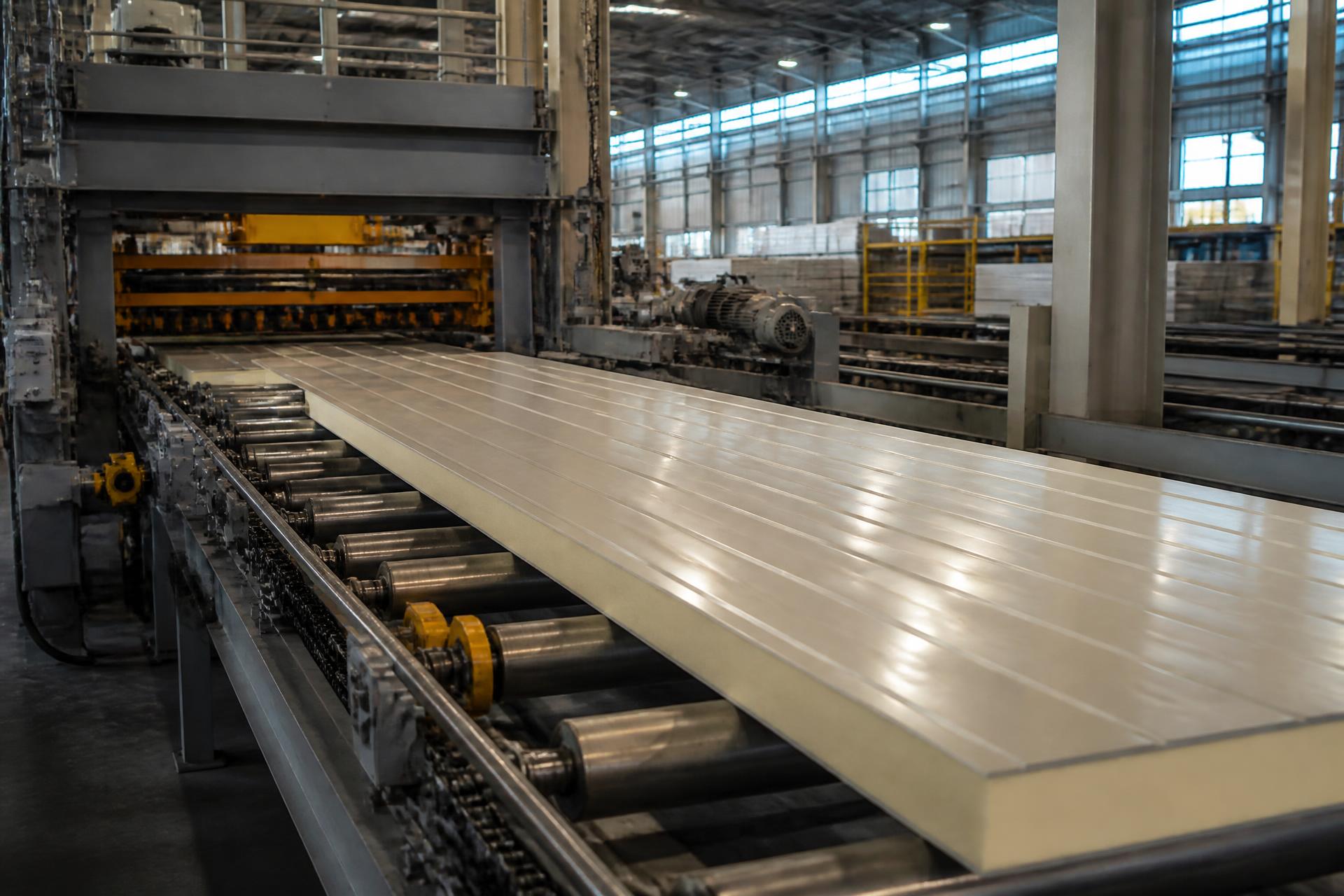
PIR Line Operation Essentials
Cold Room Engineering Masterclass
Factory Investment & Financial Modeling
Line Commissioning & FAT/SAT
Answers from our engineers
Six categories — technical, production, investment, engineering, installation and maintenance.
Technical Questions
What thickness of panel do I need for a −25 °C freezer?
For −25 °C, a 150–180 mm PIR panel typically reaches U ≈ 0.14 W/m²K, meeting energy targets in most climates. Use our Panel Thickness Calculator to size for local conditions.
What's the difference between PIR and PUR?
PUR is a polyurethane rigid foam; PIR is polyisocyanurate — a modified PUR with higher aromatic content that improves fire performance (typically B-s1,d0) while retaining a low λ ≈ 0.022 W/mK.
How is U-value calculated?
U = λ / d, where λ is thermal conductivity (W/mK) and d is core thickness in metres. Skins and interfaces add small resistances; EN 14509 gives the full method.
Production Questions
What is a typical line speed?
Continuous PIR lines run 6–15 m/min depending on thickness and panel type. Rock wool lines are slower — typically 3–8 m/min due to lamella insertion.
How many people run a modern sandwich panel line?
A fully automated NEVO line runs with 6–8 operators per shift, plus quality, maintenance and warehouse staff.
What OEE should I target?
World-class continuous lines reach 82–88% OEE. New factories typically start at 60–70% and improve over 12–18 months with SPC and TPM programmes.
Investment Questions
How much does a sandwich panel factory cost?
A 1 M m²/yr continuous PIR factory typically costs 8–12 M USD turnkey (line + building + utilities + working capital), depending on automation level and country.
What payback period is realistic?
Typical payback is 3.5–5 years at 35–45% gross margin. Our Investment Calculator models CAPEX, OPEX, IRR and NPV for your inputs.
Can the factory be expanded in phases?
Yes — plan a second line at Year 3 with ~55% incremental capex. Design the building and utilities for Phase II from day one.
Engineering Questions
Which fire standard applies in my country?
Most markets recognise EN 13501-1 (EU) or ASTM E84 (US). Petrochemical projects add EI-integrity per EN 1364-1. Ask our engineers for a country-specific reference.
What is the difference between roof and wall panels?
Roof panels use 5-rib trapezoidal profiles for drainage and load-span; wall panels use micro-rib or flush profiles for aesthetics. Both use the same core technology.
Installation Questions
How are panels fixed to structure?
Wall panels use hidden or exposed fasteners into steel purlins/rails per panel manufacturer detail. Cold room panels use cam-lock joints for tight thermal seal.
What's the maximum panel length?
Continuous lines produce panels up to 24 m for standard trucks. Special transport (flat-rack containers, break-bulk) enables longer panels for architectural projects.
Maintenance Questions
How often should facades be inspected?
Annual visual inspection is standard; a full fastener and seal check every 3 years. Coastal environments require 6-month inspections and touch-up of any coating damage.
How long do sandwich panels last?
Well-maintained PVDF-coated panels have a service life of 30–40 years; polyester-coated panels 15–25 years. Cores retain thermal performance for the panel's full life.
Talk to a NEVO engineer
Have a project or a question our library doesn't cover yet? A senior industrial engineer will reply within 24 hours.